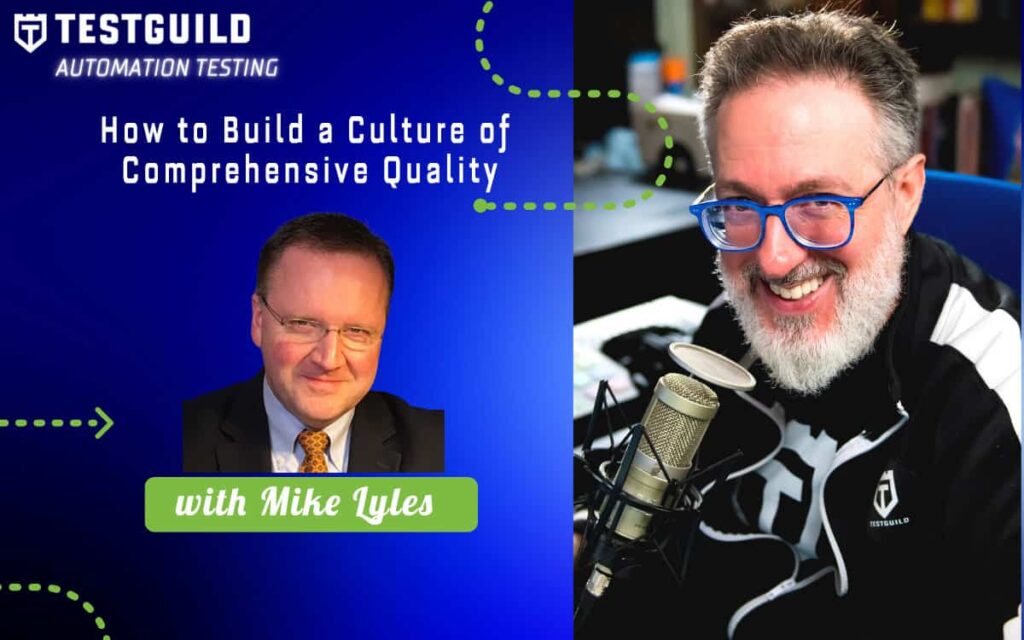
Mike Lyles
Let's start with a story and this guy's not real. In fact, he was generated by ChatGPT. I wanted to see how creative it could be. These are not real people. That's not even a real picture. It's crazy where the world's going. I checked all their fingers. I think they're all there, although they do look strange if you zoom in, but this guy is Kevin. He's my AI guy and he's the CEO of a mid-sized technology company and renowned for being a visionary leader. Every quarter, his company is painted in an exciting picture of the company's culture. They've expanded into markets and transforming product lines, and they become an industry leader. The employees are inspired and hopeful. The board is thrilled with where things are going. The press loves this guy. But beneath the surface to some of the companies struggling, because there's no formal process for translating vision into actionable plans and storyboards. The teams didn't have clear priorities and their initiatives are constantly changing based on the CEI's latest idea. The project managers are sidelined and deadlines become flexible guidelines instead of commitments. Well, and what does that do? Well, the results that you see for this company is that the employee morale is suffering. Talented staff starts leaving the company because they're frustrated at moving targets that they can never seem to hit. And then products that are launched, the ones that do make it are launched late and without good quality. And most importantly, competitors with less leadership skills, but stronger management skills start taking the market share and this company goes down. The key lesson that I hear, and this is a made-up story, of course. Kevin's not real, but the story's real because you've seen it over and over and over with several companies in the world today because leadership provides the why and why we do things, but management provides the missing how and how it's gonna get done. And without systems, planning, accountability, and even the best vision can collapse under its own ambition. We often assume that great leaders are automatically great managers. And if you talked to me 10 years ago and said, and Mike, you read a lot about leadership, and you how do you think a leader is doing at management, I would have probably said, well, usually management starts first, and if you're a good manager, you can become a good leader. And then I started speaking at events and talking about you can be a leader if you are not a manager. But what I'm finding is, too many times we have the assumption that if you're a great leader, then you're obviously a great manager as well. And that's just a mistake that we make many, many times in our organizations and the people that we work with. There's an old quote, some of you probably live this, but it says, it is better to have loved and lost than to have never loved at all. And that works great with relationships and it's actually really true. You get to experience love. But the problem with working environments is that what if your team loves you and you love your team, but then you lose every day. Going to work isn't as fun as being in love. And if you and your team were motivated, but you have no goals, then life gets really tough for you in that situation as well. You're coming to work and you're excited and you are fired up, but you don't really have a clear direction. And that seems to hit a lot of teams. You've got senior leaders who just come in the room and they dance on the stage and they're like, we're gonna do this, we're going to make a difference and we're out here doing this. And then you go back but what are we doing? Right? And what's our plan? How do we get to where you say we need to be? And I find that so many companies know. How they, I mean, what they want to do it and why they want to do, they just don't know how they're going to do it. And so that becomes a struggle. But let's talk about the differences, because I think a lot of times people blend leadership and management together into one. And I want to make sure that we don't have any misunderstandings because, man, I hear a lot people in my company, people use the term project management way too loosely, and it's really leadership or facilitation. And I want to make sure that we don't have any differences in definition. But when you look at these two together side-by-side, when I'm thinking about the core aspects of leadership versus management, leadership's core aspects are vision, inspiration, motivation, values. It's about kind of the positive motivational side of things, whereas management is around planning, ensuring the execution, organizing processes, having operational efficiency, and measurement. And really, making sure that it gets done, leadership is going to focus on people and culture and your long-term goals. Where do we want to be someday? And how are we influencing other people and how are embracing that change? And then management is really focused on the processes and systems and short-term objectives. Think of that as kind of the agile sprints and how do we deliver and deliver and deliver until we get to the long- term goals, but management is more about focusing on getting those things done. Maintaining stability and optimizing resources, but then when you get to what it's about, Leadership is about why and where, where it's why we know why we're doing this when you're thinking on the leadership side. And we know where it is going. We know where needs to go. And then on the management side, it's how are we doing it and when are we doing it. And then that's really focusing on the tactics of how and when. One of the what why when or how is not there is what and that is across both of them intentionally not put here because if you don't know what you're doing, leadership and management is not going to save you. You need what for both of those. It's assumed that what is kind of on both sides of the leadership and management sides of the room there. This is John Maxwell, for those of you that didn't know him, there's his picture. Now you'll know him. But what I love about John is that he has a beautiful statement that says leadership is influence, nothing more, nothing less. And when we think about all the definitions of leadership and one that you might have come to your mind, if I asked you, what does leadership mean to you? There are many that fit that definition, but I love John's around influence because if you think about it, if you can influence people, you're leading. If you can influence your family, you're leading. If you could influence your community or anywhere. If you're influencing, you are leading. And that's the key thing. And John really kind of summed it up in one word. And I thought I'd try to be as cool as John and say, well, Mike Lyles says management is about operational excellence. That not a copyrighted quote or anything, but I do feel like that a leader can rally a team around a bold strategy and really come up with a plan and get people fired up, but a manager's gotta ensure that strategy is implemented through good tasks, good timelines, good resources, and good implementation. Operational excellence, you'll hear that term a lot when people talk about really delivering really good things, and I think that's where management kinda plays the best part in that role. But the question is what happens when somebody's really all influence and no execution. And you've been in those meetings. You've been on those companies. I've been now in five, six, I don't know how many companies I've worked for. The first one I worked at was Lowe's Home Improvement. I was there for 20 years. And so I learned a lot from that company, but I would watch great leaders in that company and other companies come to the room and say, everybody, I have a dream. I'm doing this. We're doing this, it's like I'm Martin Luther King here. And I've got this vision of where I want the company to go. Let's go everybody who's with me, hop in the car. And, but then the basic fundamentals of getting that stuff done just really failed and then you start seeing companies start to deteriorate because they can't keep up with the vision. Guy's got a great vision. He just doesn't know how to implement it. Or you got a gray CEO who really knows where he wants to go and he's bringing on people and his leadership staff that's taking care of those things. And that leadership staff doesn't, they've got the vision and they believe the vision of the leader and the CEO, but they don't have the tactical management skillset to really deliver. And that causes companies all over the world to have serious problems. Even further, a Gallup study in 2014 says that only 10% of the people can naturally lead and manage effectively. That number surprises me. I would have thought it was higher. But man, 10%, so if you're saying to me, Mike, hey, I'm good, I can do both. I lead, I motivate, my team loves me, I get things done, I am a leader in my team, but I'm also managing processes and really effective, you're in the top 10%, so congratulations. If you're not, we're gonna talk today about whether or not you need to be or you need find people who can be so that you can together be really successful with them. I drew this out and put these together because you get these two here, vision and inspiration is all about leadership, execution, and organization is about management. And I thought I'd get really cool like some of these writers, they write these books and they put all the words and where all of these over cross and that end up with two, four, five, six, seven, eight, nine different terms here. But I will say this, if you've got vision and inspiration, you got the whole leadership thing here and you don't have the other stuff. You've got a motivated call to action, but you don't really have any way of delivering it. If you've got these two. If you got vision and execution, so you got one of each, you may have an unstructured drive for results. You know where we want to be, you know how to execute things, but don't know how to organize it. You don't have inspiration to do it. Or if you got execution and organization over here, the right side and the management site you may have structured chaos. You don't really know what you're doing or why you're doing it, but you can do it and do it really well and I've been in companies where people are doing that right we're just getting it done we're just here and you're like why are you mopping the floor why are you doing it? Well it's cuz I feel that's what I'm supposed to do. And then you've got inspiration and organization, the two bottom ones here, and that might be motivated procrastination because you don't really know how to execute and you don't really know why you're doing it, but you're inspired and you've gotta organization. That's a bunch of messages to be funny. But the middle one here is where we wanna be if you wanna be in that 10%. And that 10% in the middle is you know the vision, you know what the company's trying to do, you know what the stakeholders want to do. You're inspired, there's some inspiration from leadership or you're inspiring people. There's the organization, you know how to do it and then there's execution, you how to get it done. If you can do all four of those, you can leave this webinar right now because you're all set. But I'm sure you don't need to leave. We got some more slides to go through. Let's talk about common misconceptions around leadership and management that people see every day, or at least I've seen, and I think you probably see when you hear this. I have a lot of people say, well, if I lead well, the management part will fall into place and they think if I just keep pushing, I just keep doing well. Things will just fall into place. I mean, who needs management if I'm just a great leader and you know leading well doesn't equate to driving good management, no more than eating healthy and not exercising is going to make you very healthy or the opposite exercising a lot and not eating well. I'm like, if I'm exercising a lot, but still eating the same junk. I'm not gonna get very healthy. You gotta combine them and do the both. You gotta follow the fundamentals of management to combine that with leadership to get really good if you wanna be on both sides of the room there. Another one is management is boring. Leaders don't need to focus on that. I've got leaders I've worked with so many. I work with them all the time. We'll say I work them right now, but I do. People all over the world are just saying, I love leading, I love having a vision, I love inspiring my teams, but man, don't tell me that I need to explain how to do it or I need talk about the details. Just tell me when it's done. Well, if you love leading and inspiring and motivating and galvanizing your teams, that's great. And I know this could become boring if you have to think about how it's gonna get done. But if you want your teams to grow and become successful and carry your vision, you've gotta learn how to manage and drive that. Or again, find somebody who can do that on your team that's gonna compliment your work if you've got that ability to do that. If it's just you and there's nobody else there, you're gonna have to figure out both sides. Somebody may say, I'm not a macro manager. I hear that a lot and people take pride in that statement, right? I empower my people. I'm a not a micro manager and that's great. That's a really good thing not to do. Cause I mean, there's a good chance that many of us are macro managing more than we should. And we do it out of love and support, I am sure for our team. But just like our children, sometimes we've got to let them learn some things with experience. And we just got to kind of let them learn on their own. And we delegate things to them. But, with that said, you can empower people, but you've got to know when you need to manage and lead them and give them that guidance because we don't need to use that term. I'm not a micromanager as an excuse to not understanding the management process is required to deliver your products or services for the organization. Don't use that as a crutch or an excuse. If you're not a micro manager and your people do feel empowered and you are helping them manage things, then good for you, you're doing a great job. Now, a lot of times I'll have people say, well, I'm a good leader and a good manager. I'm good at both. My people love me and I'm getting the stuff done. I'm doing it by the book. I'm very compliant. I'm my very compliance type person. I'm giving it done. And maybe you are, but my question is how are you managing them? And so it takes me to American Idol, one of my favorite shows years ago. I don't watch it much anymore, but I remember the tryouts was always my favorites, the auditions, especially with people who are tone deaf, right? And you get these people up there and they're like, Hey. I'm going to sing and I've been doing this for 20 years. I'm so great. And they get up there and they start singing and you're like, Oh my gosh, this is going to be in a comedy reel for the rest of the show. There are people who truly think they're good at management and they're not, and you have to help those people. And if you're one of those people, the way you can help yourself is to ask for feedback. Hey team, how am I doing? Do you think I'm managing this well? Do you think doing it? Well, and then really get their feedback because sometimes you can't hear that you're tone deaf in management. Hopefully that advice sits in and really sinks in for you. I want to share some real world stories and this is where it gets fun. The first one is my most fun one, but the real world story is this. If you live in the United States and you watch national football league, you probably know who the Pittsburgh Steelers are. They're my favorite team. They have been since I was born. I mean, I've always been a Steelers fan, even though I'm from North Carolina. We didn't have a football team back when I was young. I became a Steeler's fan and I never changed when they finally got a football team. And that team in Carolina doesn't really play well, have it in a long time. Mike Tomlin is the coach of the Pittsburgh Steelers. He's been their coach for, I don't know. It's been a long, long time, almost 20 years, maybe or so. And I've been a Steelers fan all my life. I watched them have amazing years. They're tied with the most Superbowls one of any team in football. They've won six Superbowl's. I'm dying to see them win a seventh one. But I've not seen them win a championship in 16 years. 2009 was the last time they did. And Mike Tomlin was there when they won that last one. It's the same coach that seems to be consistent. Players come and go. The team loves this guy. Many fans love him. Some of them don't. The league respects him as a coach and he's got great quotes, man. He's got such great quotable quotes. He's so inspiring. He loves on his team. You can see this team just rallying around him in these pictures and listening to him and standing in attention, they feel his compassion. But they go to the playoffs, they play week one and they lose the first game every single year for the last 16 years. So sometimes they don't even make it to the play-offs. And so what I have a problem with is the script is the same every time. We know what they're gonna do. People complain and joke that, hey, the Steelers are gonna make it. They're gonna have a winning season. They're going to do great. He's had 14 winning seasons in a row. But when they get to that first playoff game, they lose. And that's not good for us. Right. Everybody that watches him knows what's going to happen. I can tell you from watching the TV, there's the play they're going to play, they're gonna do this second play. They're going do this third play. He's doing the same stuff that we know is not making them successful. They tried changing key players. No changes. They tried playing, changing the assistant coaches. There's no changes. They've tried changing the back office leadership. No changes. The core constant is this coach. And he needs to realize his management gaps. Now, I will say this, and maybe eight or nine months from now, you'll be like, Mike, Hey, you remember when you had this presentation that Steelers was finally won a Superbowl because I think this is the year he's starting to take it serious and they're making changes that Steelers is don't usually make. And they're starting to bring on players they don't usually pay for it. And they are keeping players. They usually don't hold onto it and they've got new strategies. Maybe this guy has woken up. And maybe the team is going to do things differently. But if he goes the same route, does the same way, and doesn't realize he's got a management gap that he needs to fill, either with one of his assistant coaches, or he needs leave and let somebody else do it, they're gonna continue to be the team that makes it to the first round and loses the playoffs. Hopefully that sinks in. If you're not a sports fan, you're like, I hate football, I don't know what you're talking about. I hope at least the idea hit you. If you are a sports fans and you know this team. You definitely know what it is. And if you're in our division, you definitely hate this coach. If you're from Cleveland, Cincinnati or Baltimore, you're like, I hate that man.









 August 10, 2025
 44 min 14 sec
 Full transcript
 Hosted by Joe Colantonio