







 July 22, 2018
 Hosted by Joe Colantonio
With more and more companies moving away from centralization or standardization of their tools to conduct delivery of software it even harder to establish traceability for one artifact to the next across the entire organization That’s where the power of value stream integration comes in. In this episode, we’ll be Test Talking all about Value Stream Integration with Jeff Downs and Matt Angerer from Tasktop Technologies. Get ready to discover how you can dramatically improve the efficiency of your software development and delivery process.
Automation Testing Podcast Automation
212: Value Stream Integration with Matt Angerer & Jeff Downs

with Matt Angerer & Jeff Downs
July 22, 2018
Hosted by Joe Colantonio
About this episode
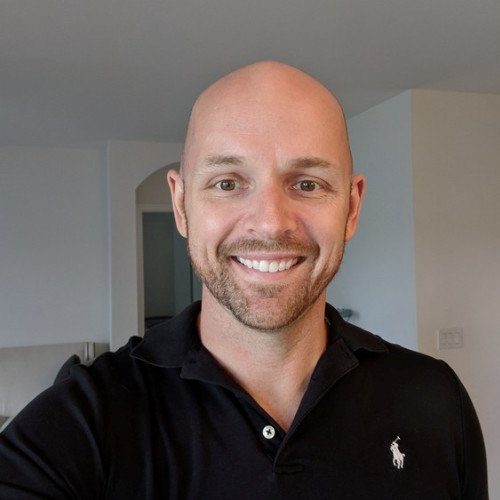
Matt Angerer is a Sr. Pre-Sales Engineer for Tasktop Technologies (www.tasktop.com). Since 2002, Matt has worked as an ERP Consultant, QA Leader, Solution Architect, Startup Founder, and Blogger/Author. His passion for high quality working software, the elimination of waste (Lean Thinking), and Value Stream Integration (VSI) are central themes for his Editorial contributions, Webinars, and TestTalks.
Quotes & Insights from this Test Talk
- Value stream integration to me is really looking at your business from requirements in-take all the way down through the operational aspects of your organization. And in our little world, I call our little world. It's a huge world of software-defined enterprises but that includes everything from that point and everything in between. The creation of artifacts. And when I mentioned artifacts I'm speaking to you know functional designs and technical designs and epics and user stories and features and all the different terminology that we hear in the industry. In addition to all the various terminology that we hear as it relates to testing, you know test plans, test cases, test configurations parameters and the list goes on.
- Value Steam Integration is how do we as an organization Interlink all of these sort of interdependent aspects of the business together. Organizations today. We're seeing a trend in the market. They're moving away from centralization or standardization of their tools to conduct delivery of software to sort of bring your own tools. If you have a better way of doing we are seeing it there are very large enterprises you know your global conglomerates that have multiple lines of businesses each using different ALM tools.
- It starts out by really stepping back and stepping outside of the context of the tools that you use to manage your epics and stories and tests and defects and so forth in really breaking down, how work is defined in your organization. How that works then gets approved, gets broken down into smaller and more granular pieces of work, how it gets validated and tested, developed, and ultimately delivered out to your customers.
- So once you have the tools connected now you're able to automatically establish traceability for one artifact to the next across the entire value stream.
- The only metrics that I've been thinking about lately as it relates to Value Stream Integration is around defect detection percentage. So defect detection percentage (DDP) is really just a very simple calculation of defects found by this testing quote unquote. And I'll define that in a second, divided by the total defects including those found afterward. The point is DDP helps us identify how effective our regression testing is over a particular build and whether the quality of the test cases whether the automated testing or the manual testing is truly effective and trapping defects and preventing them from slipping through to our production environment.
- TaskTop drives competitive advantage by dramatically improving the efficiency of the software development and delivery process. They do this by providing fully automated, enterprise-grade integration of the tools used by all the various stakeholders in this process.
Connect with TaskTop
- Twitter: @tasktop
- Blog: value-stream-integration
- Company: tasktop.com
May I Ask You For a Favor?
Thanks again for listening to the show. If it has helped you in any way, shape or form, please share it using the social media buttons you see on the page.
Additionally, reviews for the podcast on iTunes are extremely helpful and greatly appreciated! They do matter in the rankings of the show and I read each and every one of them.
Test Talks is sponsored by the fantastic folks at Sauce Labs. Try it for free today!
Keep listening
Related episodes
Automation Testing Podcast · Ep. 612
Robot Framework Test Automation: Automate Web, Desktop, Mobile, and Embedded Systems
What makes Robot Framework flexible enough to test medical devices, low code bots, monitoring systems, and embedded
Nov 17
Automation Testing Podcast · Ep. 611
Playwright at Scale: Run 500 Tests in Minutes with Oliver Stenbom
with Oliver Stenbom
Is your Playwright suite slowing you down instead of speeding you up? In this episode, Oliver Stenbom,
Nov 10
Automation Testing Podcast · Ep. 610
How to Prove Your Release Is Ready When AI Writes the Code
How to Prove Your Release Is Ready When AI Writes the Code? Can you prove your software is ready to ship, or does that answer still depend on a meeting and a spreadsheet? Want to see if your team can prove a release is ready? Book a custom LoopIQ demo with Ashwin: https://testgld.link/loopiqdemo In this episode,
Nov 3
Automation Testing Podcast · Ep. 609
Why Your AI Tests Pass When Your Features Fail with Donovan Brady
with Donovan Brady
Why Your AI Tests Pass When Your Features Fail? Donovan Brady of Leapwork shows how to make
Oct 27